
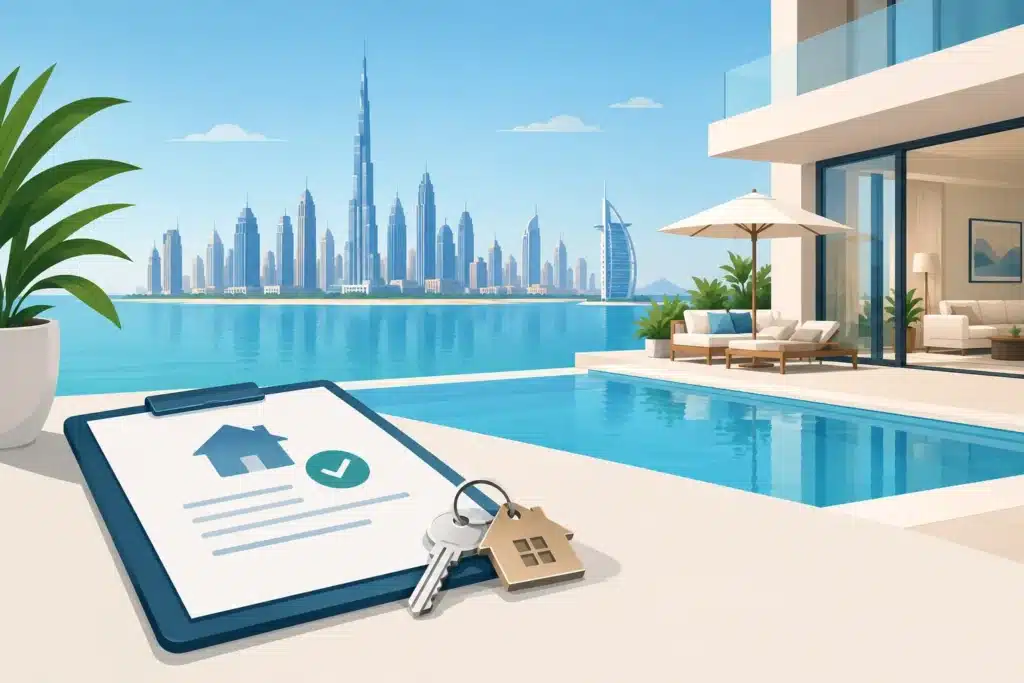
A beautifully furnished apartment in a sought-after Dubai address is only the starting point. Before it can welcome short-term guests, it must be licensed, registered, and operated in line with local requirements. This holiday home licensing guide gives property owners a clear view of what that involves, from preparing the home to maintaining a dependable guest experience.
For owners, licensing is more than an administrative step. It is the foundation for operating with confidence. It protects the property, supports guest trust, and helps ensure the home is presented to the market as a professionally managed stay rather than an informal rental.
What holiday home licensing means in Dubai
Holiday homes are short-term furnished accommodations offered to visitors for stays that may range from a few nights to several months. In Dubai, this activity is regulated by the Dubai Department of Economy and Tourism, often referred to as DET. A property cannot simply be advertised for short stays because it is vacant, furnished, or owned outright.
The licensing framework is designed to give guests a consistent standard of safety, cleanliness, and service. It also helps owners operate transparently, meet reporting obligations, and participate properly in Dubai’s established visitor economy.
The exact route depends on how the home will be operated. An owner may register and manage a property independently, provided they meet the relevant conditions. Alternatively, an owner may appoint a licensed holiday home operator to oversee licensing, reservations, guest communication, housekeeping, and day-to-day compliance. For owners living overseas or balancing a busy schedule, the second route often offers greater reassurance.
Start with the property’s eligibility
Before investing in furniture, photography, or listing copy, confirm that the property can be used as a holiday home. The building, community rules, ownership structure, and property documentation can all affect eligibility.
Some developments have their own conditions for short-term rentals. A homeowners association or building management company may require a no-objection certificate, specific registration details, or advance notice before guests can check in. These rules matter just as much as the government licensing process. A premium guest experience begins with a smooth arrival, and that depends on the building team understanding and supporting the arrangement.
Owners should also consider whether the apartment is genuinely suited to short-term stays. A well-located home near the beach, business districts, major attractions, or transport links may have strong appeal, but convenience alone is not enough. The apartment needs practical guest-ready features, dependable maintenance, secure access, and a layout that works for its intended audience, whether that is couples, families, corporate travelers, or small groups.
Documents to prepare
Requirements can change, so it is wise to confirm the current documentation directly with the relevant authority or through a licensed operator. In most cases, owners should expect to have the following ready:
- A valid passport or Emirates ID, depending on the owner’s residency status
- Proof of ownership, such as a title deed
- Current property and contact details
- A no-objection certificate where the building or community requires one
- A valid trade license and related company documents if operating through a business entity
- Any authorization needed when a representative or management company acts on the owner’s behalf
Keeping these records organized makes the application process more efficient and avoids delays when a renewal, inspection, or update is required.
The Dubai holiday home licensing process
The process generally begins with registration through DET’s holiday home system. The owner or licensed operator creates the relevant profile, submits property details and documentation, and applies for a permit for the specific unit. A permit is tied to the property, which means each home in a portfolio must be properly registered.
Once the application is underway, the focus shifts from paperwork to readiness. The home must meet the applicable holiday home standards before guests arrive. Depending on the circumstances, this can include inspections or checks that confirm the apartment is safe, accurately equipped, and suitable for visitor use.
It is tempting to view this stage as a one-time hurdle. In practice, it is the beginning of an operating standard. A missing fire safety item, unclear check-in instructions, worn linens, or an unreliable appliance can quickly affect a guest’s stay and, over time, the property’s reputation.
Prepare the home as a hospitality product
A licensed holiday home should feel considered from the moment a guest enters. That means more than stylish interiors. It means functional lighting, quality bedding, complete kitchen essentials, working Wi-Fi, clean bathrooms, clear emergency information, and a reliable process for resolving issues.
The right setup depends on the property and expected guest profile. A family apartment may benefit from a crib on request, dining space, and child-friendly details. A home near Business Bay or Downtown may be better positioned for business travelers who value a dedicated workspace, fast internet, and flexible check-in. A Palm Jumeirah apartment may call for a more leisure-focused welcome, with thoughtful local recommendations and uncomplicated beach access guidance.
The standard should remain consistent regardless of the location. Guests booking a premium stay expect the apartment to match its photographs, be professionally cleaned, and feel ready for them at the agreed arrival time.
Compliance continues after the permit is issued
Obtaining a permit does not remove the need for ongoing care. Holiday home operators must maintain accurate guest information and follow required reporting procedures. Guest registration, tourism-related fees, permit renewals, and operational records should be handled carefully and on time.
The financial side also deserves attention. Owners should understand the difference between gross booking revenue and net returns after management fees, cleaning, maintenance, platform costs, utilities, furnishings, and applicable tourism charges. Short-term rentals can offer flexibility and attractive demand in the right location, but occupancy varies by season, events, pricing strategy, and the property’s condition.
There is also a guest-facing responsibility. Responsive communication, clear house rules, respectful treatment of neighbors, and prompt maintenance are all part of responsible operation. A late-night noise concern or an unresolved air-conditioning issue can affect more than one reservation. It can influence building relationships and future earning potential.
Why professional management can make licensing easier
Independent operation gives an owner direct control, but it also requires time, local knowledge, and availability. The work does not end when a booking is confirmed. It includes pricing, calendar management, guest screening, check-in coordination, cleaning inspections, maintenance follow-up, records, and support when plans change.
A licensed management partner can bring these responsibilities together under one operating approach. This is particularly valuable for international owners, investors with multiple homes, or anyone who wants their property represented with the care expected in Dubai’s premium hospitality market.
At Zennova Vacation Homes, the focus is not simply on filling dates. It is on presenting each home as a considered stay, with personalized guest support and attentive property oversight. For an owner, that can mean fewer operational pressures and greater confidence that the home, guests, and building are being looked after properly.
That said, management is not a substitute for due diligence. Owners should ask how the operator handles permits, renewals, guest registration, inspections, maintenance approvals, reporting, and owner statements. A clear agreement should define responsibilities, fees, service standards, and what happens if a guest issue requires urgent action.
Plan for renewal, changes, and seasonal demand
Licenses and permits are not something to set aside after the first successful season. Keep track of expiration dates and allow time for renewals. If ownership details, contact information, furnishing levels, or management arrangements change, determine whether the registration must be updated as well.
It is also sensible to build a maintenance reserve. Dubai’s climate, frequent guest turnover, and constant use of appliances can place real demands on an apartment. Proactive servicing of air conditioning, plumbing, locks, and key equipment protects both the guest experience and the long-term value of the home.
A well-run holiday home feels effortless to the guest because the work behind it is disciplined. When licensing, property readiness, and hospitality standards are managed with equal care, owners are better placed to welcome travelers with confidence and create stays guests are happy to remember.