
Dubai’s heat can dehydrate and overheat you faster than you realise. Staying safe isn’t about one big action, but a series of small, practical habits. The tips below focus on simple ways to stay cool and hydrated in extreme temperatures.
1. Carry a frozen water bottle
Leave headspace before freezing, wrap it in a thin cloth to stop condensation soaking your bag, and use it as a quick cooler on your neck or forearms as it melts.
2. Assume you’re more dehydrated than you feel
Make hydration automatic by drinking a few mouthfuls every time you enter or leave a building, get in or out of a taxi, or sit down.
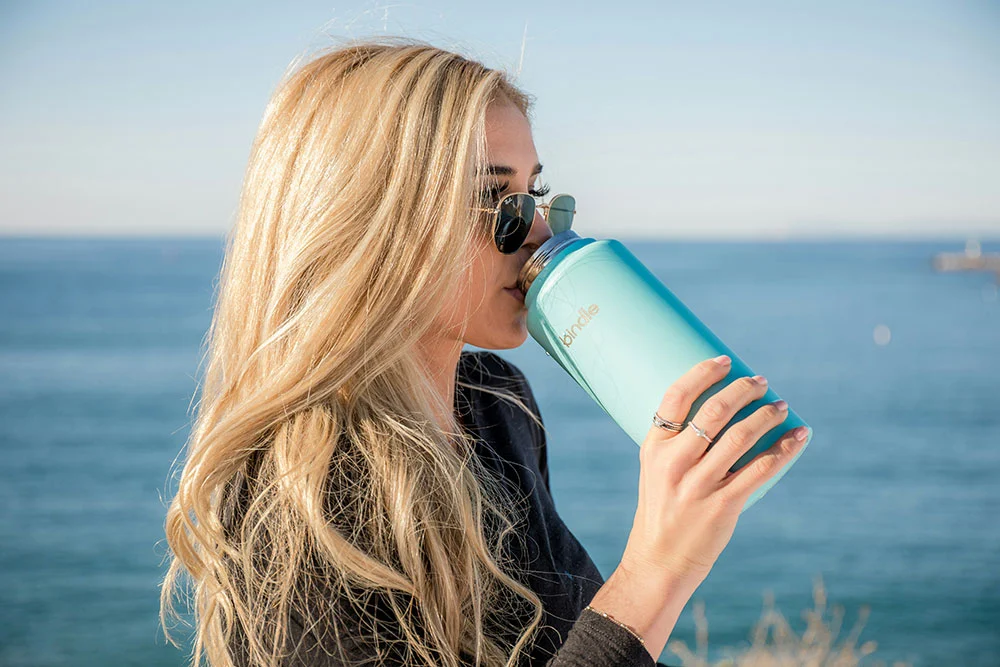
3. Use an insulated bottle so your drink stays cold
Cold drinks are easier to keep sipping; topping up with ice from cafés or hotels helps you drink more without thinking about it.
4. Add electrolytes when you’re sweating hard
If you’ve been sweating heavily for an hour or more, include electrolytes once or twice to replace salts rather than relying on water alone.
5. Eat “wet” foods
Choose foods you’ll actually eat in the heat, such as watermelon, cucumber, yoghurt, smoothies, or light soup-style meals that add fluid and minerals.
6. Don’t let the sun hit you directly if you can avoid it
Shade can feel dramatically cooler than full sun, so choose shaded routes and pause under cover before you feel drained.
7. Use a parasol or umbrella as mobile shade
A basic umbrella makes a noticeable difference on exposed walks and reduces heat load on your head and shoulders.
8. Wear loose, light-coloured, breathable clothing that covers skin
Covering up with linen or cotton can be cooler than bare skin in direct sun, especially compared to tight or dark synthetic fabrics.
9. Use high SPF suncream and reapply
Reapply after sweating or swimming and don’t forget ears, neck, scalp partings, and tops of feet, as sunburn worsens heat tolerance quickly.
10. Be cautious in the Metro and on platforms
Stations can trap heat and still air, so move slowly, avoid packed areas, and step away if you start feeling lightheaded.
11. Plan your day around the heat
Schedule outdoor activities early morning or after sunset and keep midday for air-conditioned places to reduce overall heat stress.
12. Take “AC pit stops” on purpose
A deliberate 10–15 minute cool-down in a mall or café can prevent the slow build-up that leads to heat exhaustion later.
13. Cool your pulse points
Cooling wrists, neck, and inner elbows with water or a cold bottle can quickly reduce how hot you feel while you reach proper cooling.
14. Use the wet towel trick behind your neck
A damp cloth behind the neck works best when re-wetted regularly and paired with airflow to boost evaporation.
15. Carry a small spray bottle
Misting your face, neck, or arms helps in queues or walks, especially when combined with a fan or breeze.
16. Cool your feet to cool your whole body
A cold foot bath at home, or briefly rinsing feet and ankles when out, can lower perceived heat surprisingly fast.
17. Block sun at your windows early
Cover sun-facing windows before rooms heat up, as curtains or reflective shades are far more effective when used early.
18. Ventilate smartly, not constantly
Open windows when outside air is cooler, then close and shade once outdoor temperatures climb above indoors.
19. Use cross-breeze only when it actually helps
Moving air aids sweat evaporation, but if it’s hotter outside, a breeze may feel good while still heating your home.
20. Shut doors to hotter rooms
Close off sun-baked rooms or kitchens so heat doesn’t spread into areas you’re trying to keep comfortable.
21. Avoid heavy exertion in peak heat
Slow your pace, shorten exposure, and avoid rushing, as combining heat, effort, and dehydration is when people tip over.
22. Be careful with alcohol and heavy caffeine
Both can worsen dehydration, so avoid them during peak heat or balance each drink with water.
23. Don’t rely on one big drink earlier
In extreme heat, steady sipping beats occasional chugging, so keep water in hand at all times.
24. Don’t ignore appetite completely
Even small salty snacks or light meals help your body retain fluids and prevent energy crashes.
25. Watch others and don’t push through symptoms
If someone looks confused, unsteady, or unusually sluggish, move them to shade or AC and offer water slowly.
26. Know the warning signs of heat exhaustion
Dizziness, headache, nausea, cramps, heavy sweating, rapid pulse, confusion, or very dark urine mean you need to stop and cool down immediately.
27. Call for help if someone is getting worse
In Dubai and the UAE, call 998 for an ambulance (or 999 for emergencies) if someone collapses, becomes confused, or stops sweating.